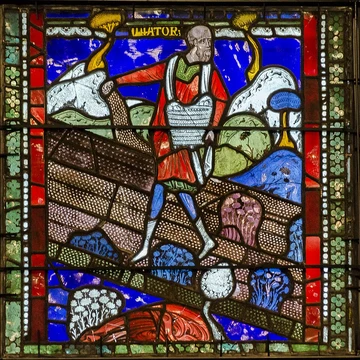
Peasants' Revolt
Major English uprising in 1381, best documented revolt of the period.

The Peasants' Revolt or Great Rising of 1381 is a major event in the history of England. It is the best documented among the revolts of this period. The revolt expressed the desire of those below to share in the wealth, status, and well-being of those more fortunate. The sentiment of the time was probably best expressed by preacher John Ball during the revolt when he said, "When Adam delved and Eve span, who was then the gentleman?", criticizing economic inequality as human-made rather than a creation of God.
- field
- Uprising
- nationality
- English
- known_for
- Major uprising across large parts of England in 1381
- also_known_as
- Wat Tyler's Rebellion, the Great Uprising
Lore & Background
The Peasants' Revolt of 1381 was part of a broader wave of popular uprisings across Europe between 1300 and 1500. The main reasons cited for these mass uprisings include an increasing gap between the wealthy and poor, declining incomes of the poor, rising inflation, taxation, and the external crises of famine, plague, war, and religious conflict. The 14th century crises of famine, plague, and war put additional pressures on those at the bottom. The plague in particular drastically reduced the numbers of people who were workers and producing the wealth. Research by Rodney Hilton in the 1970s showed that the Peasants' Revolt was led not by peasants, but by those who would be the most affected by increased taxation: the merchants who were not wealthy, but not poor either. Indeed, these revolts were often accompanied by landless knights, excommunicated clerics and other members of society who might find gain or have reason to rebel.
Reader's Guide
The word peasant, since the 14th century, has had a pejorative meaning. However, it was not always that way; peasants were once viewed as pious and seen with respect and pride. As nobles increasingly lived better quality lives, there arose a new consciousness of those on top and those below, and the sense that being a peasant was not a position of equality. This new consciousness coincided with the popular uprisings of the 14th century. Although these were popular revolts, they were often organized and led by people who would not have considered themselves peasants. Peasants is typically a term used to denote the rural agrarian poor, while many uprisings involved tradesmen and occurred within towns and cities, thus the term does not fully encompass events as a whole for the period. For historical writing purposes, many modern historians will use the word peasant with care and respect, choosing other phrases such as "Popular" or "from below" or "grassroots".
Did You Know?
- The Peasants' Revolt is the best documented among the revolts of the 1300-1500 period.
- Preacher John Ball asked during the revolt, 'When Adam delved and Eve span, who was then the gentleman?'
- Research by Rodney Hilton in the 1970s showed the revolt was led not by peasants but by merchants affected by increased taxation.
- The revolts were often accompanied by landless knights and excommunicated clerics.
- The word 'peasant' has had a pejorative meaning since the 14th century, but was not always that way.
More in Medieval Europe 1-24
Related in Medieval Europe
Links follow this subject's own source article.
Elsewhere in the Medieval Europe universe
Spotted an error? Know more?
This is a living reference — every entry is fact-audited, and reader corrections feed straight into our audit queue. Suggest an edit · See this site's audit record